For projects worldwide, send an inquiry Inquire. From outside China dial +86-400-611-6009

2026.11.20
When people think about a private cinema, they often picture the interior first. The treatment of the walls, the shape of the ceiling, the way the lighting comes together. These visible details are often the first to draw us in.
A private cinema has demands of its own. Alongside the visual design, the room must provide the right conditions for sound reproduction, image quality and effective acoustic treatment.
Over the years, ZENE has designed and built private cinemas in many different styles. One thing has become increasingly clear to us. For those who care deeply about sound and picture, a lighter touch with the décor can leave more of the budget for acoustic design, the AV system, and the quality of the experience itself.
A cinema can be beautifully finished while giving sound and picture the priority they deserve.
A Lighter Touch with Décor
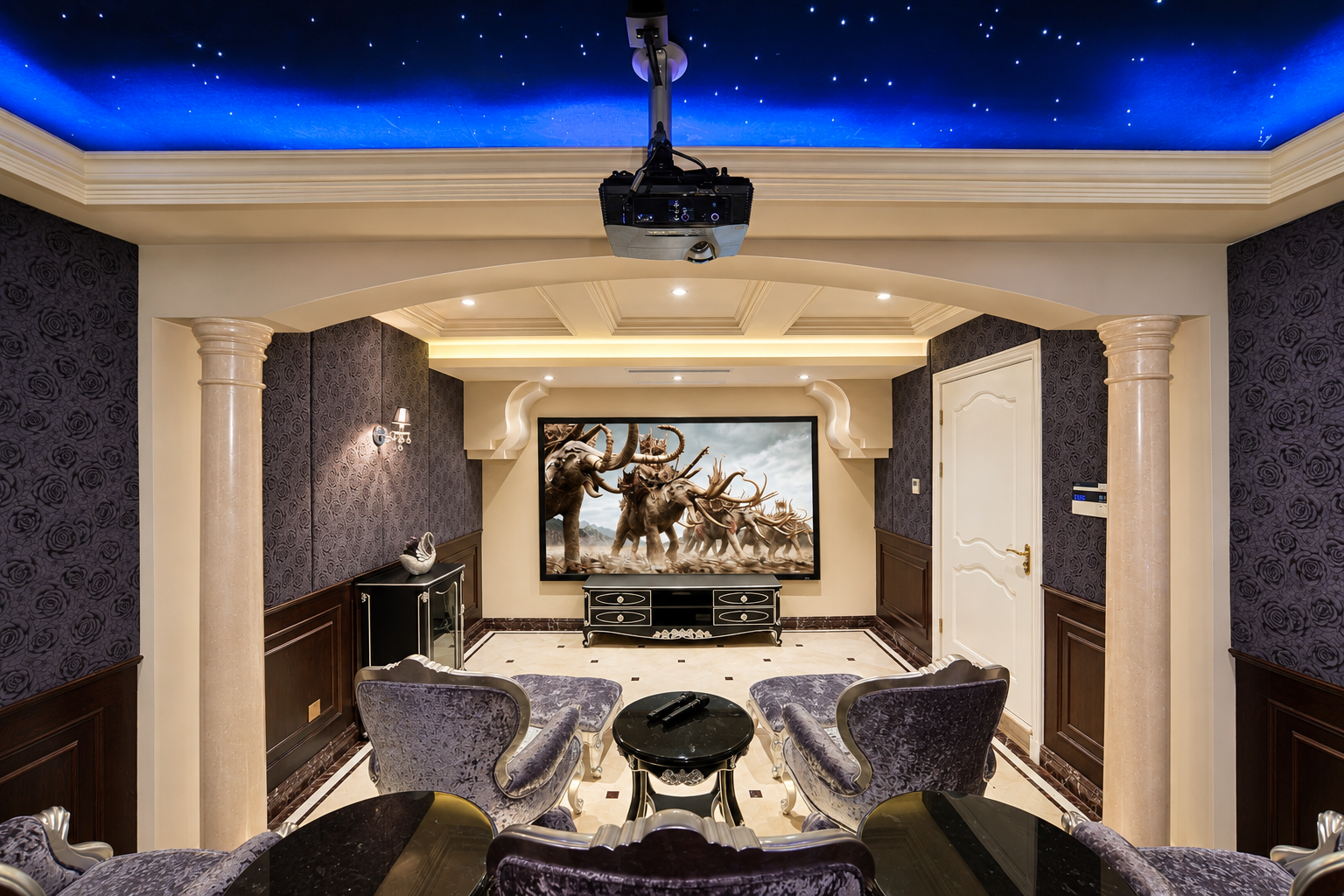
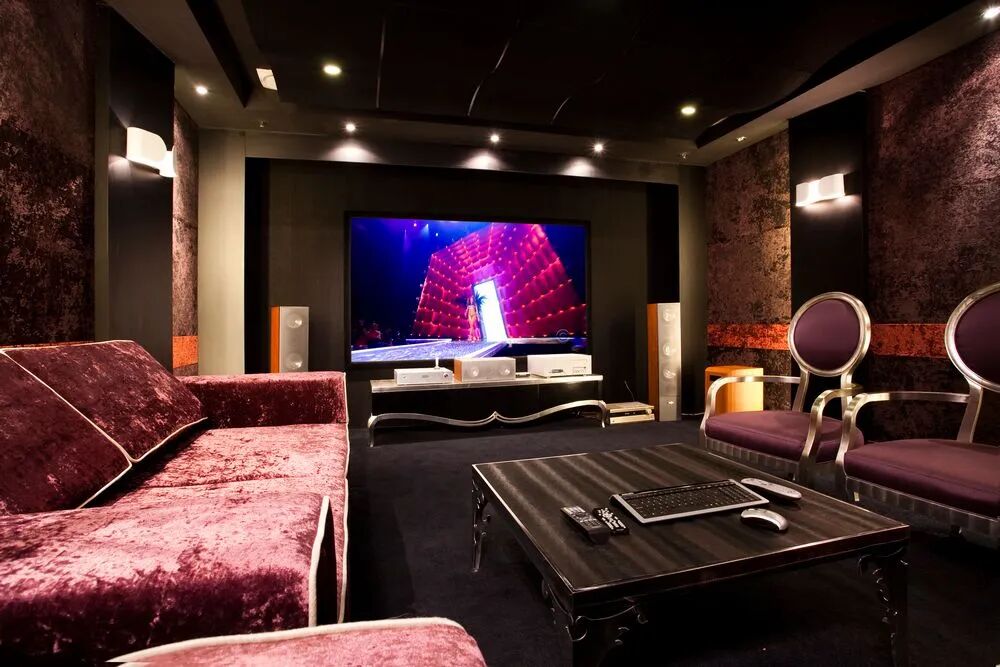
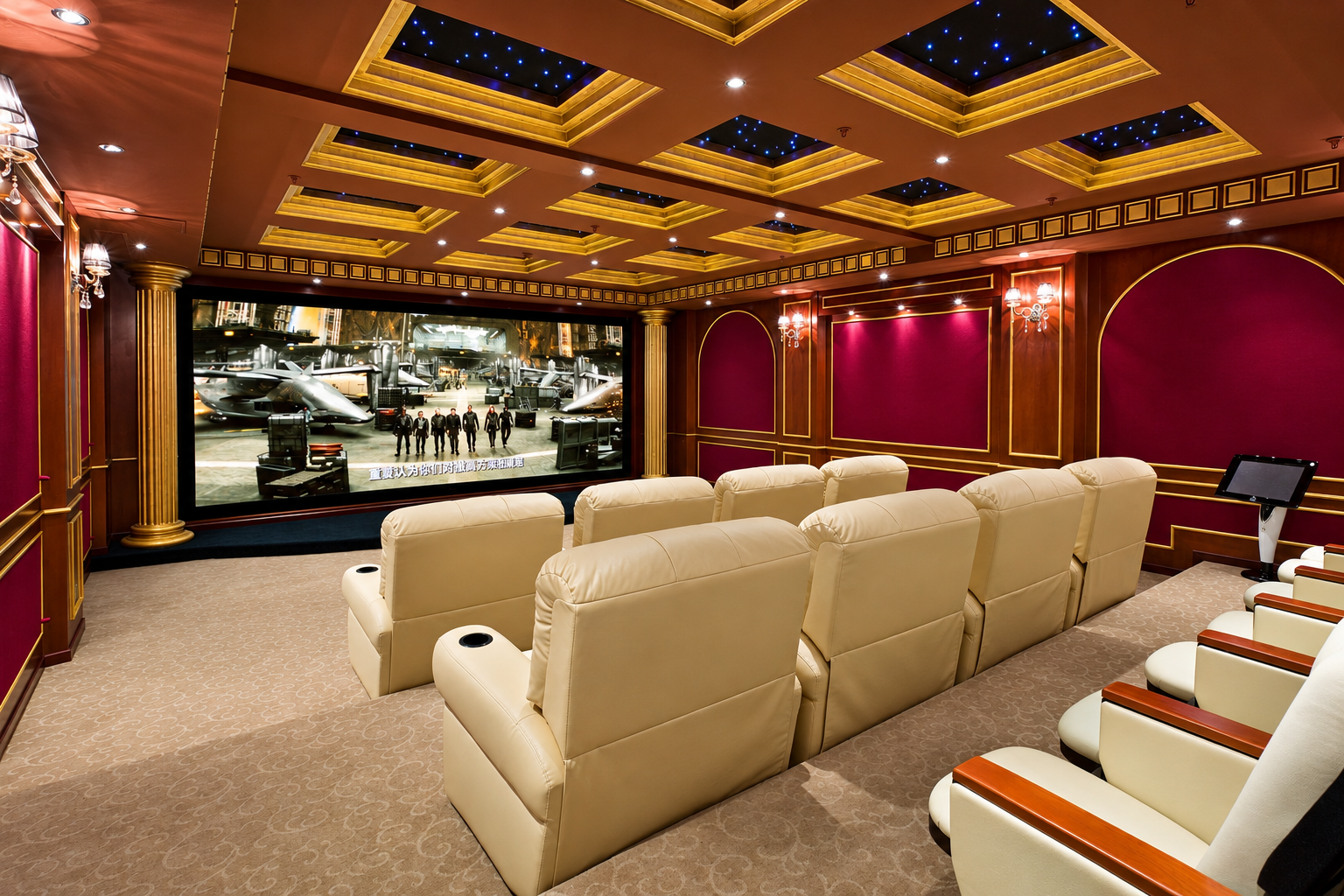
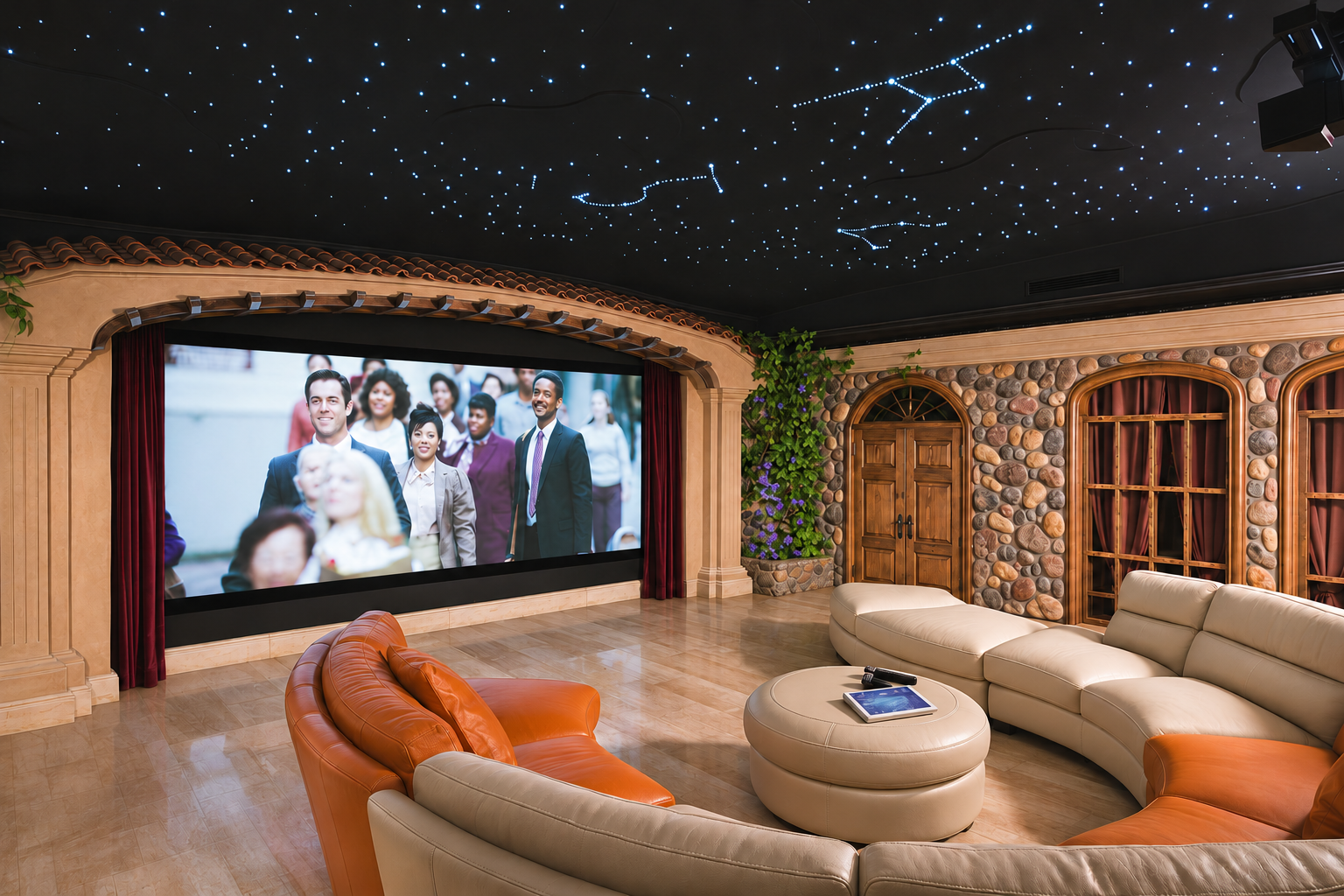
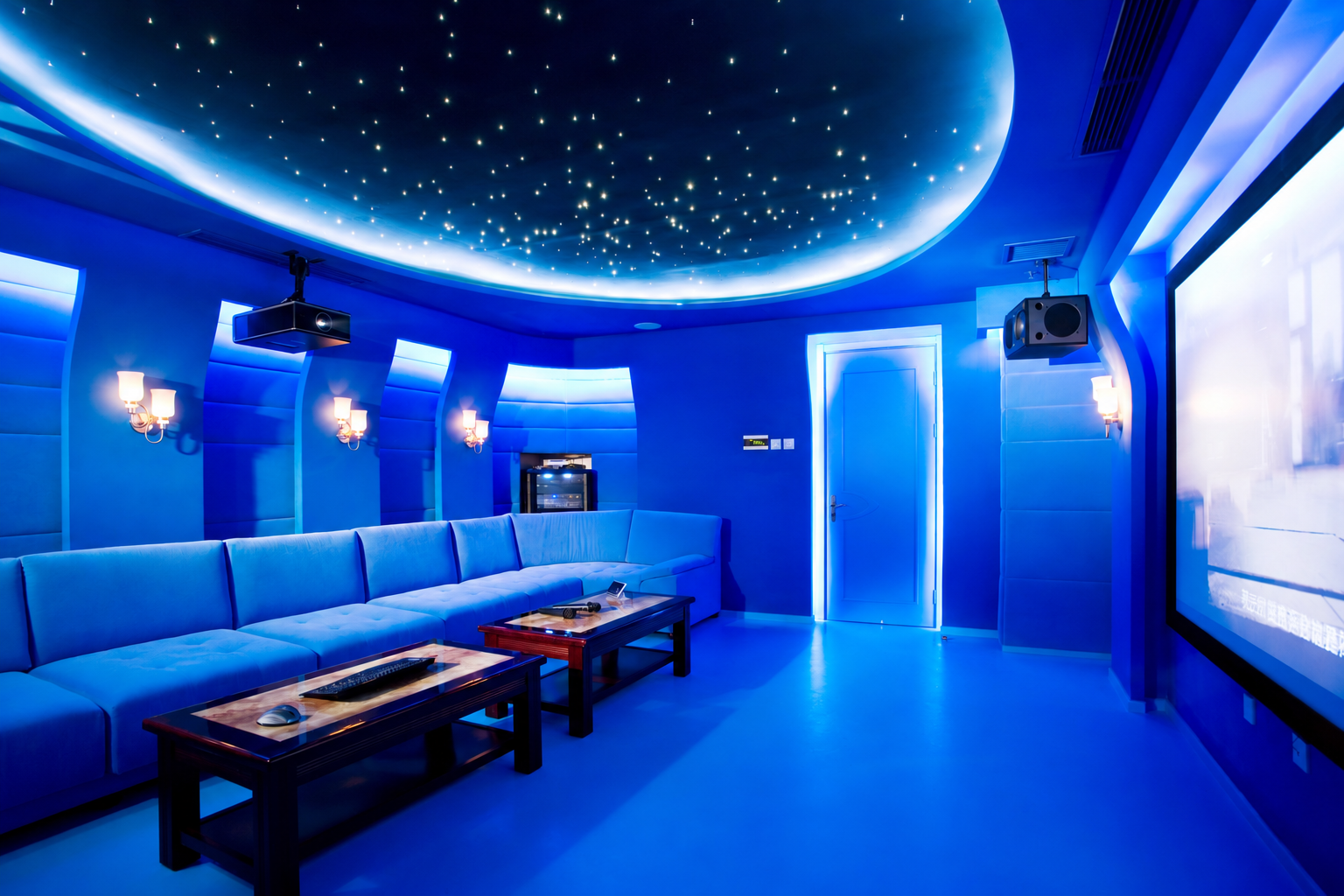
Around 2009, themed interiors were particularly popular in private cinemas. European-style carvings, French-inspired mouldings, country-house interiors, elaborate walls and ceilings. Many owners wanted a room with a distinct character, something that felt different from the moment they stepped inside. Those designs reflected the tastes of their time, and each had a beauty of its own.
Tastes change, though. What appealed to us a decade or more ago may feel different today, and details that took considerable care to build can be difficult to alter later. In a purpose-built cinema, there is also a practical question. How much room could we give back to the sound system and acoustic treatment by simplifying the interior?
An additional suspended ceiling reduces clear height, and deep decorative wall features change the effective dimensions of the room. Where space is already tight, these changes can directly affect speaker placement and acoustic treatment.
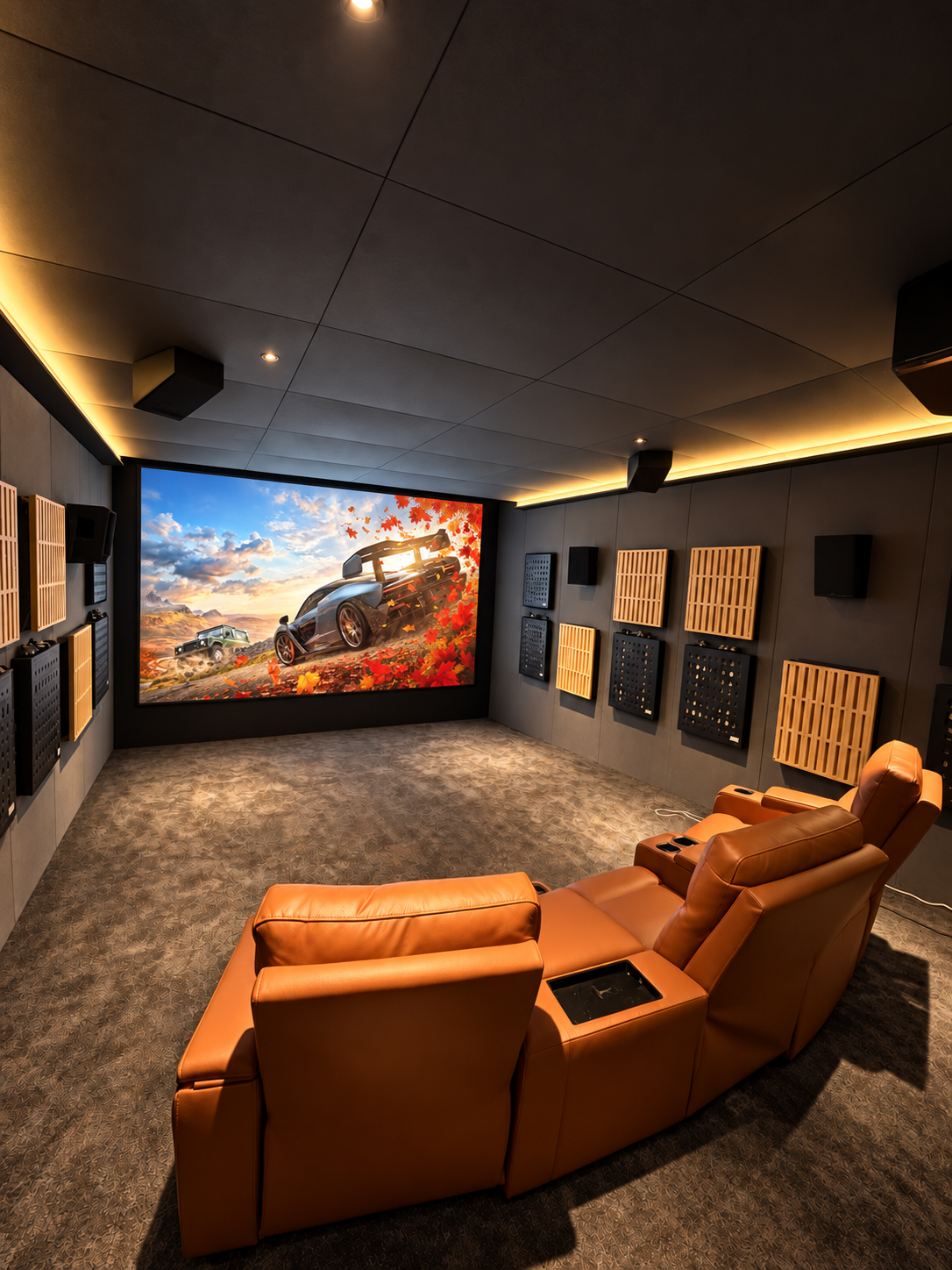
We faced just this situation in a private cinema ZENE built in Harbin.
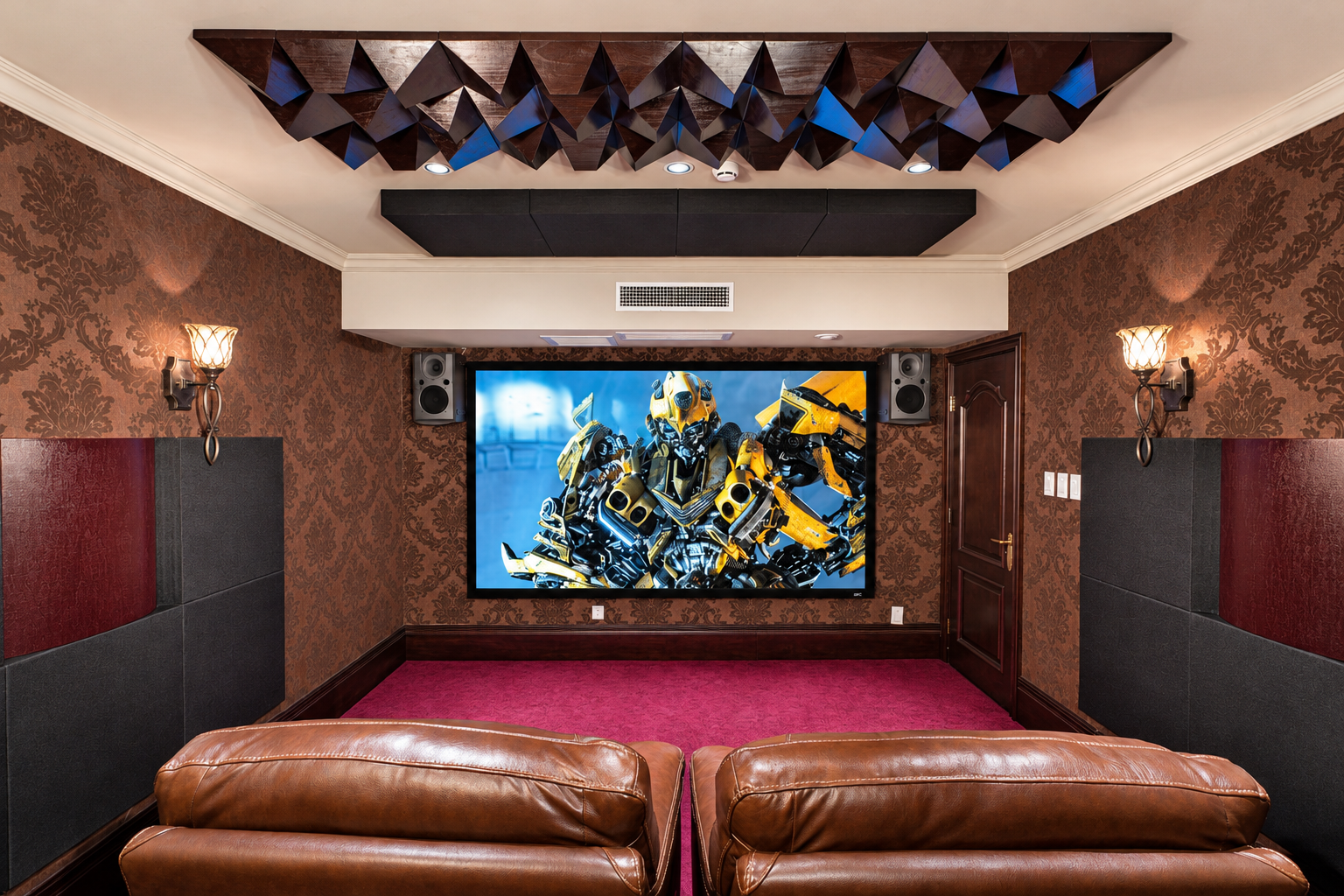
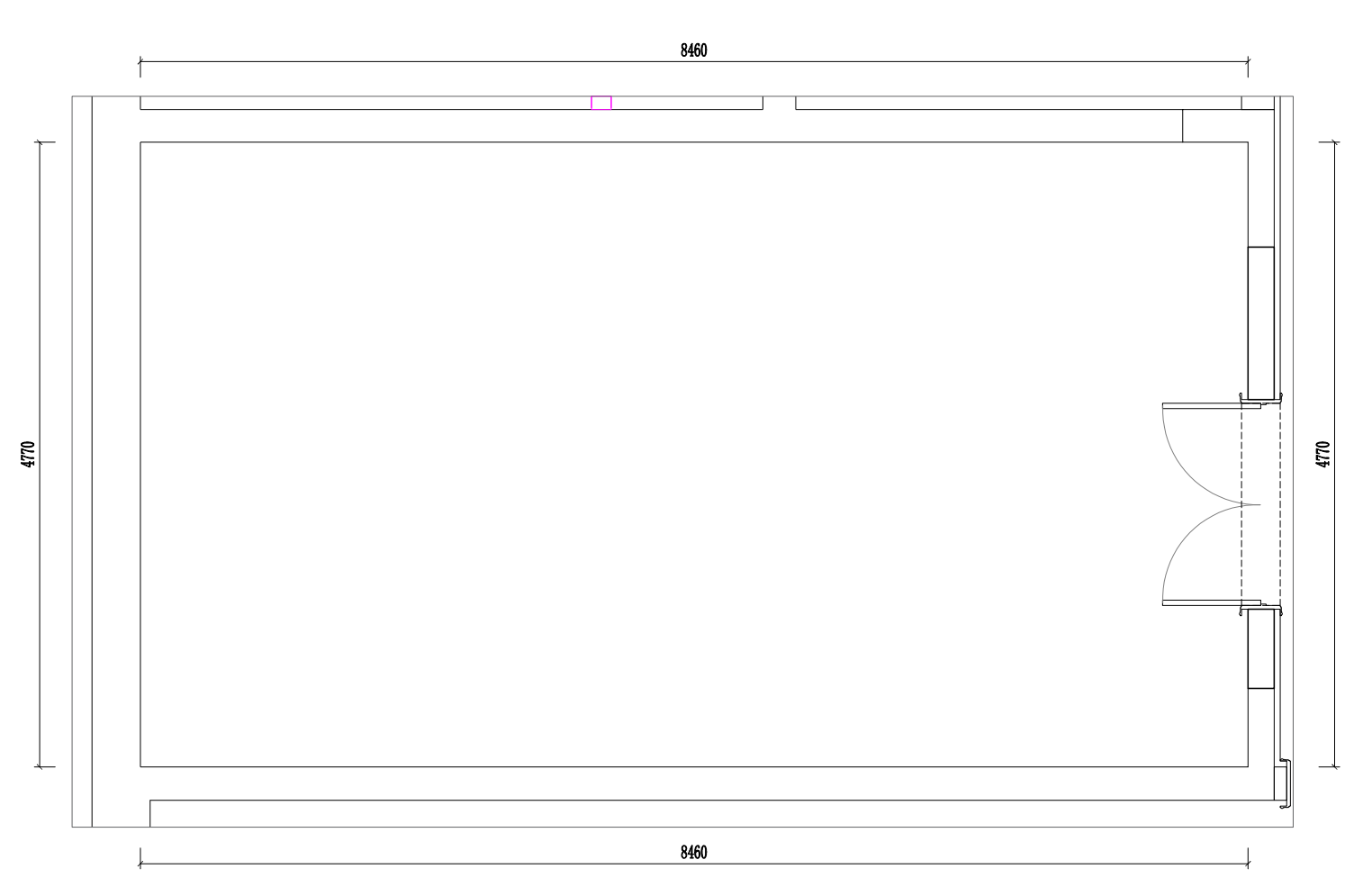
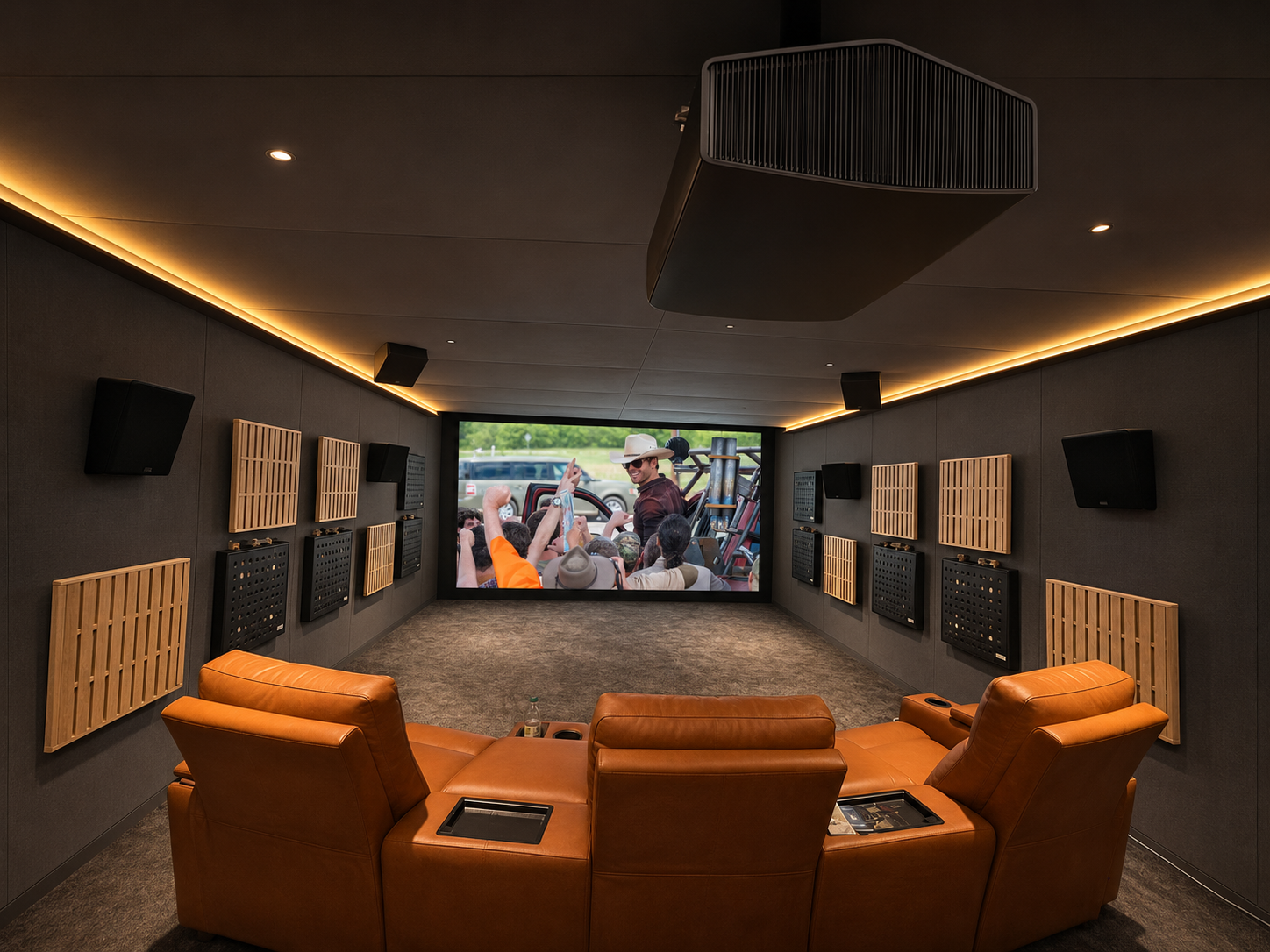
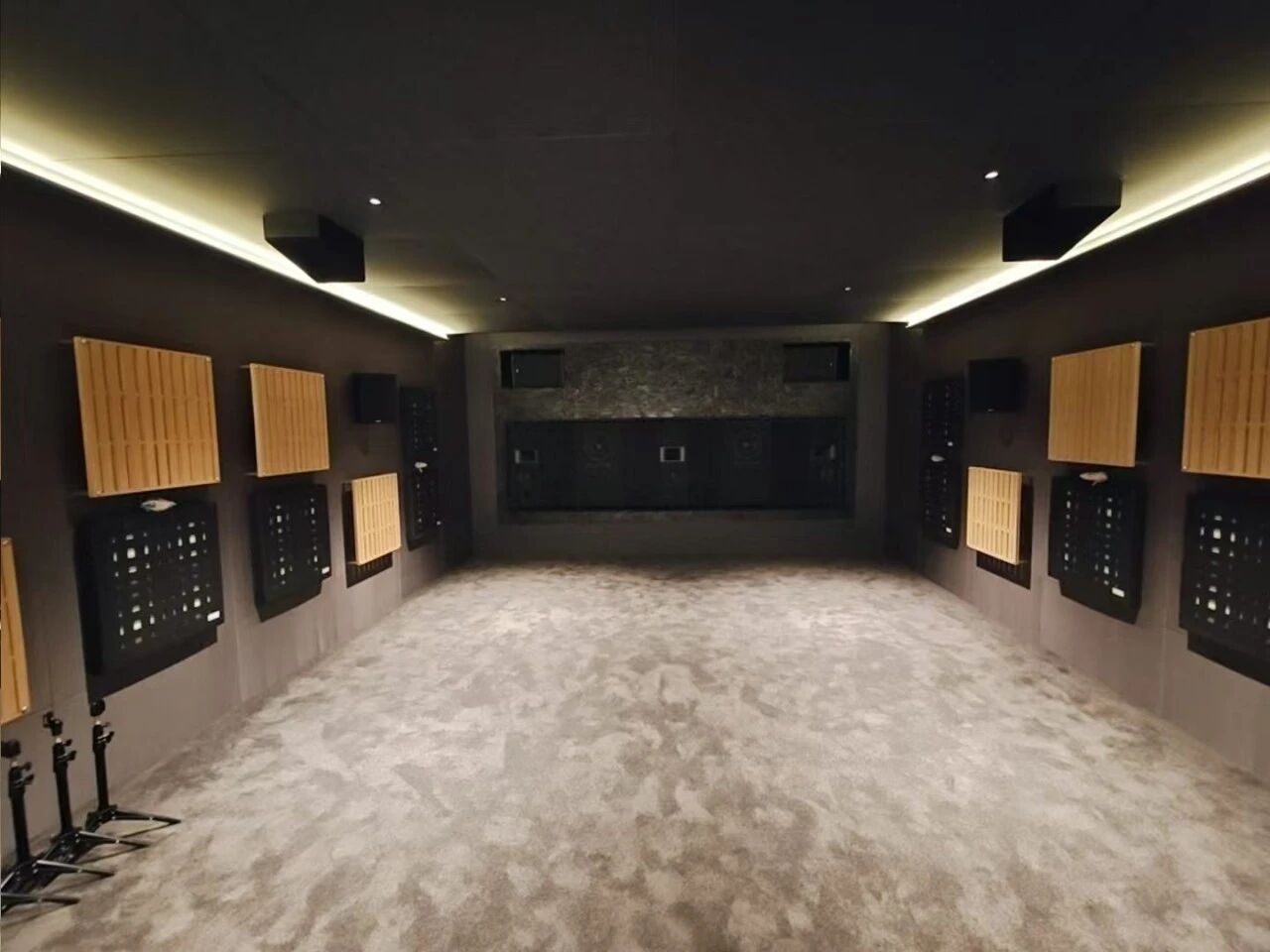
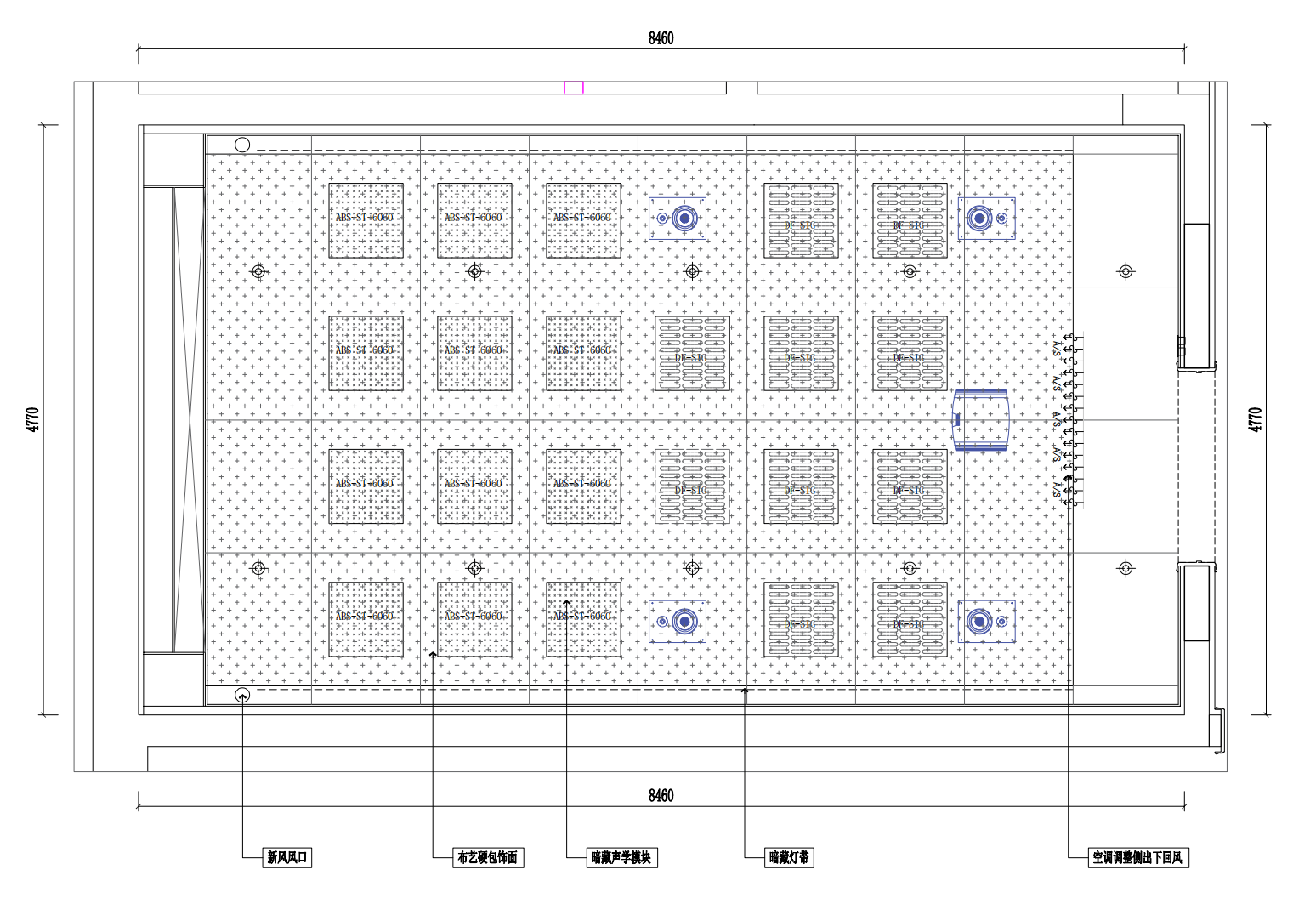
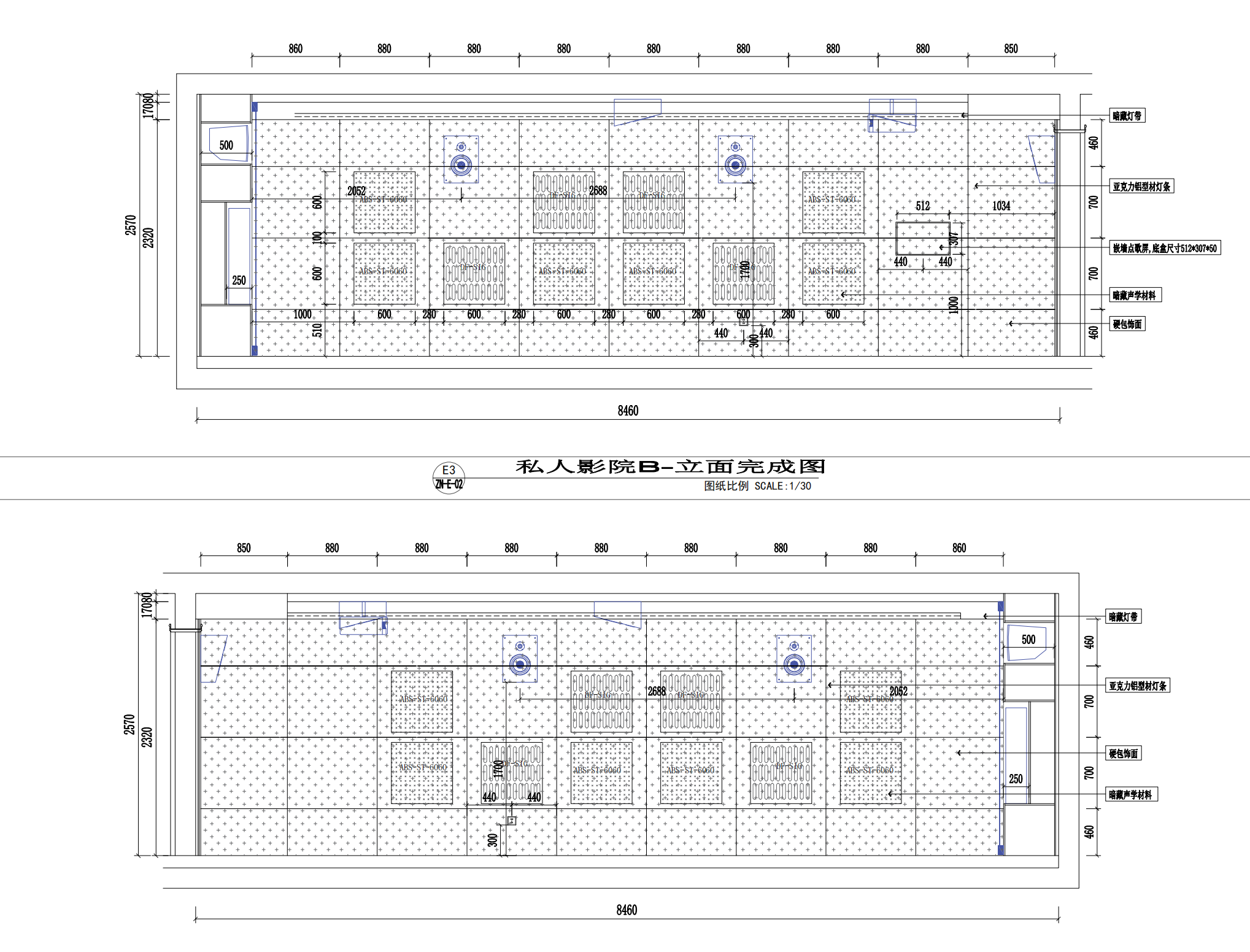
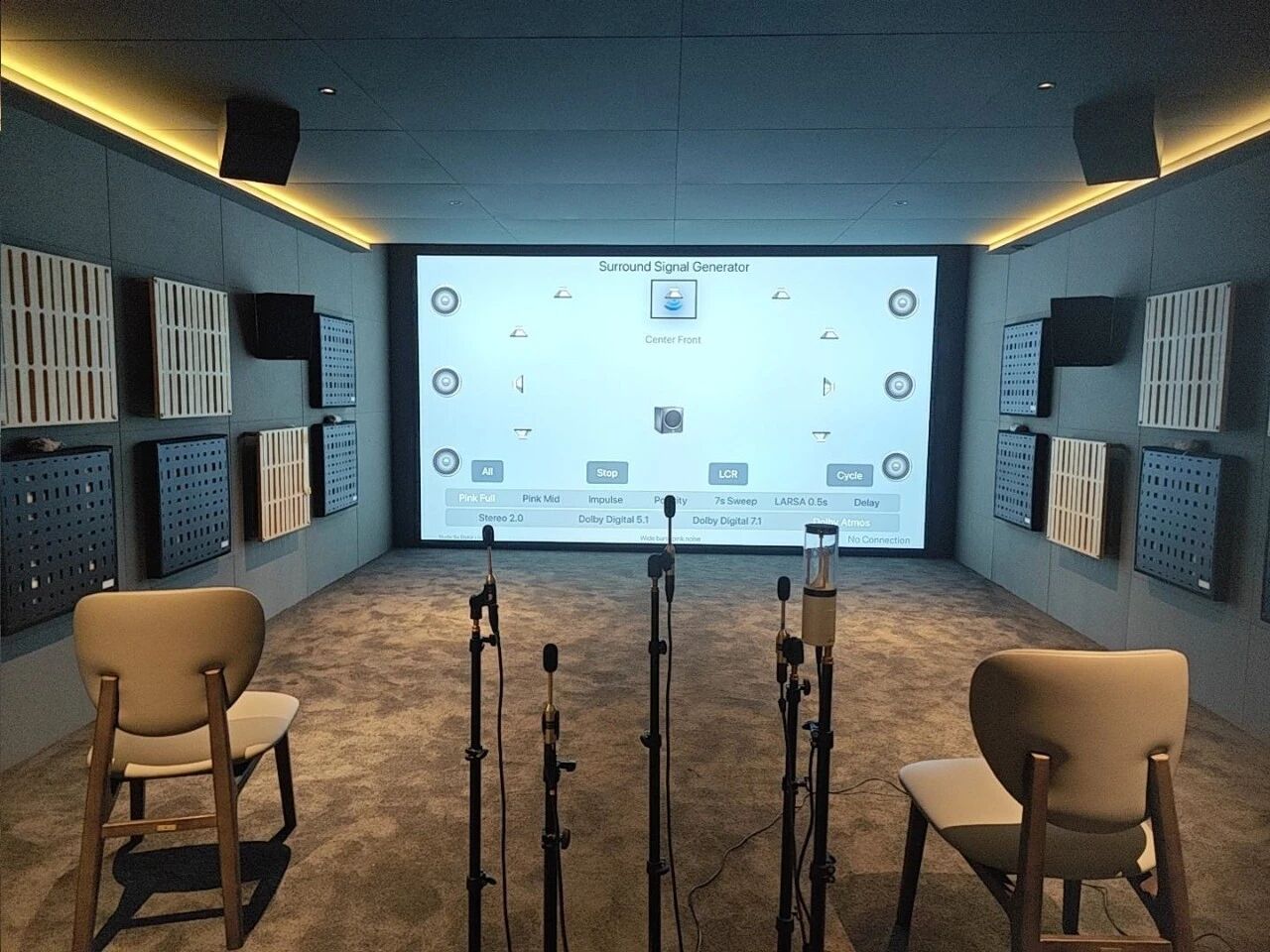
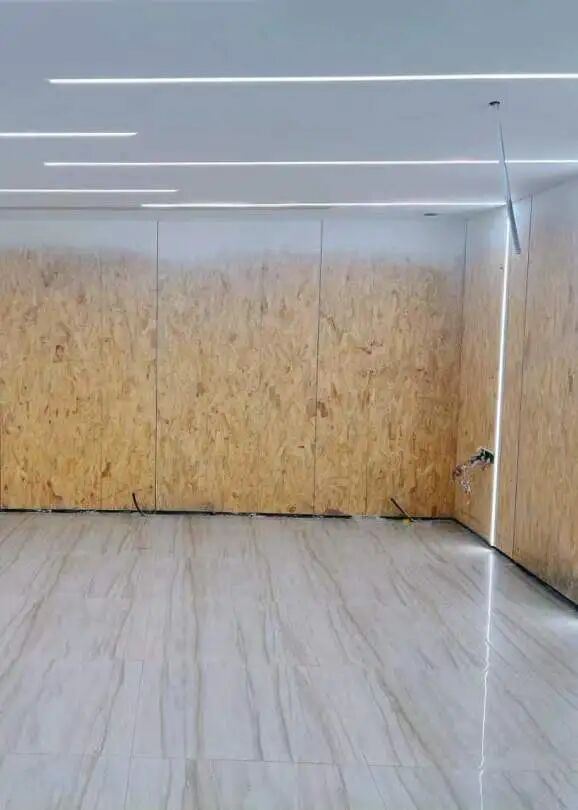
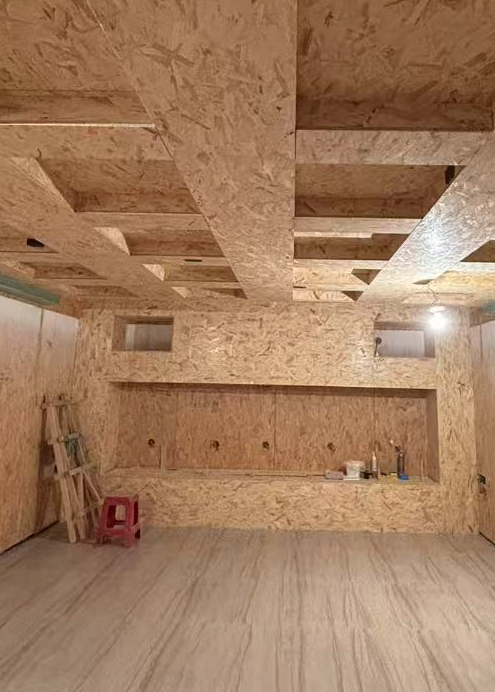
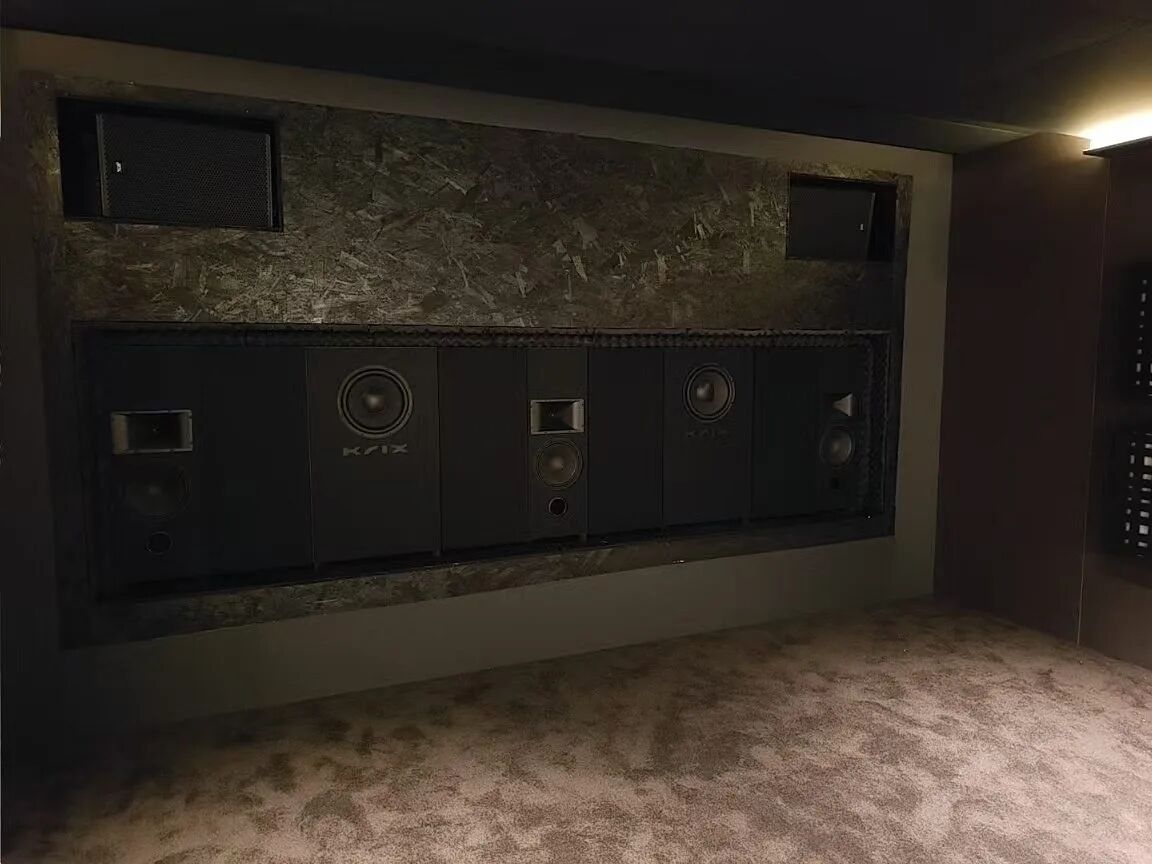
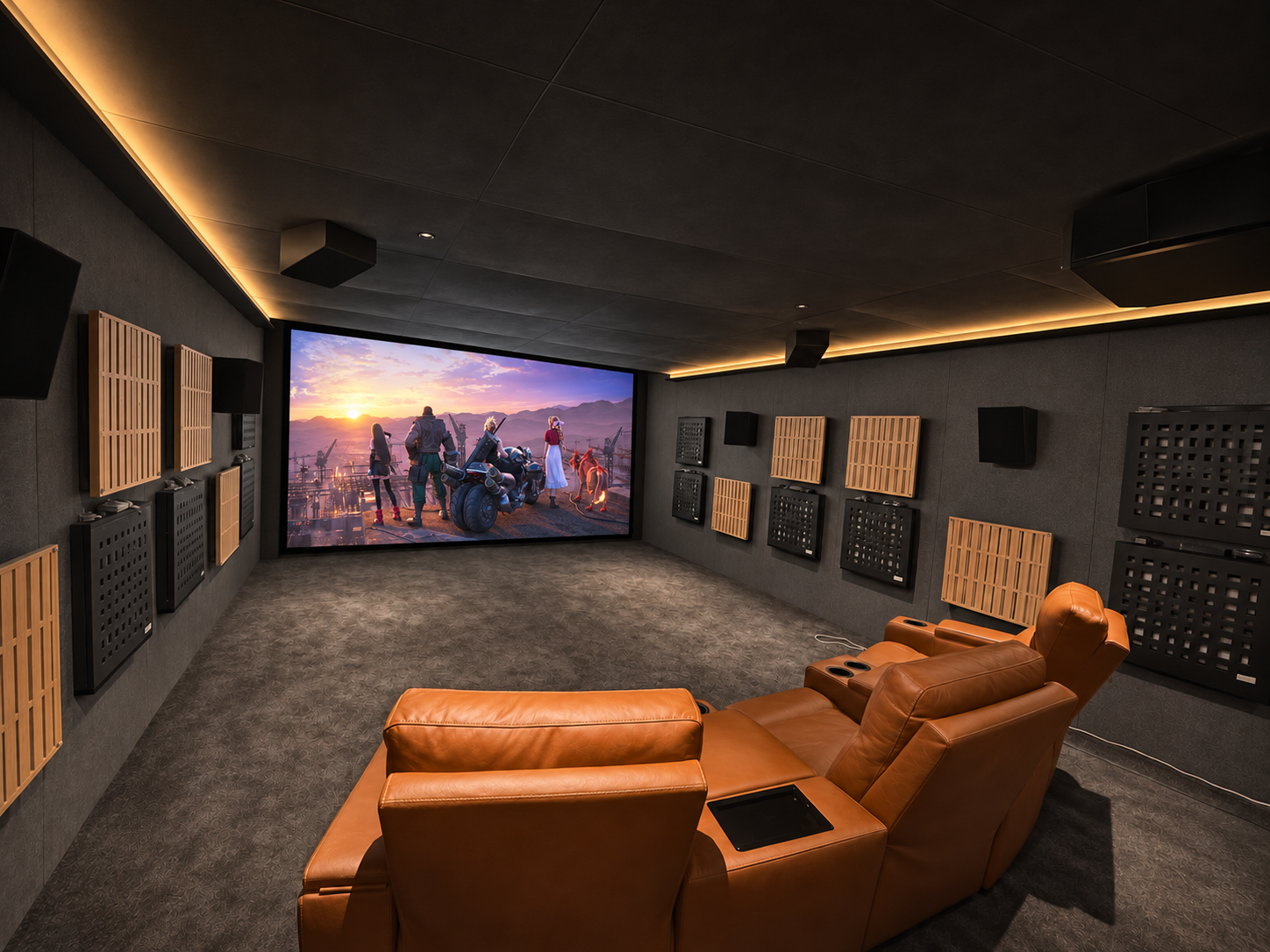
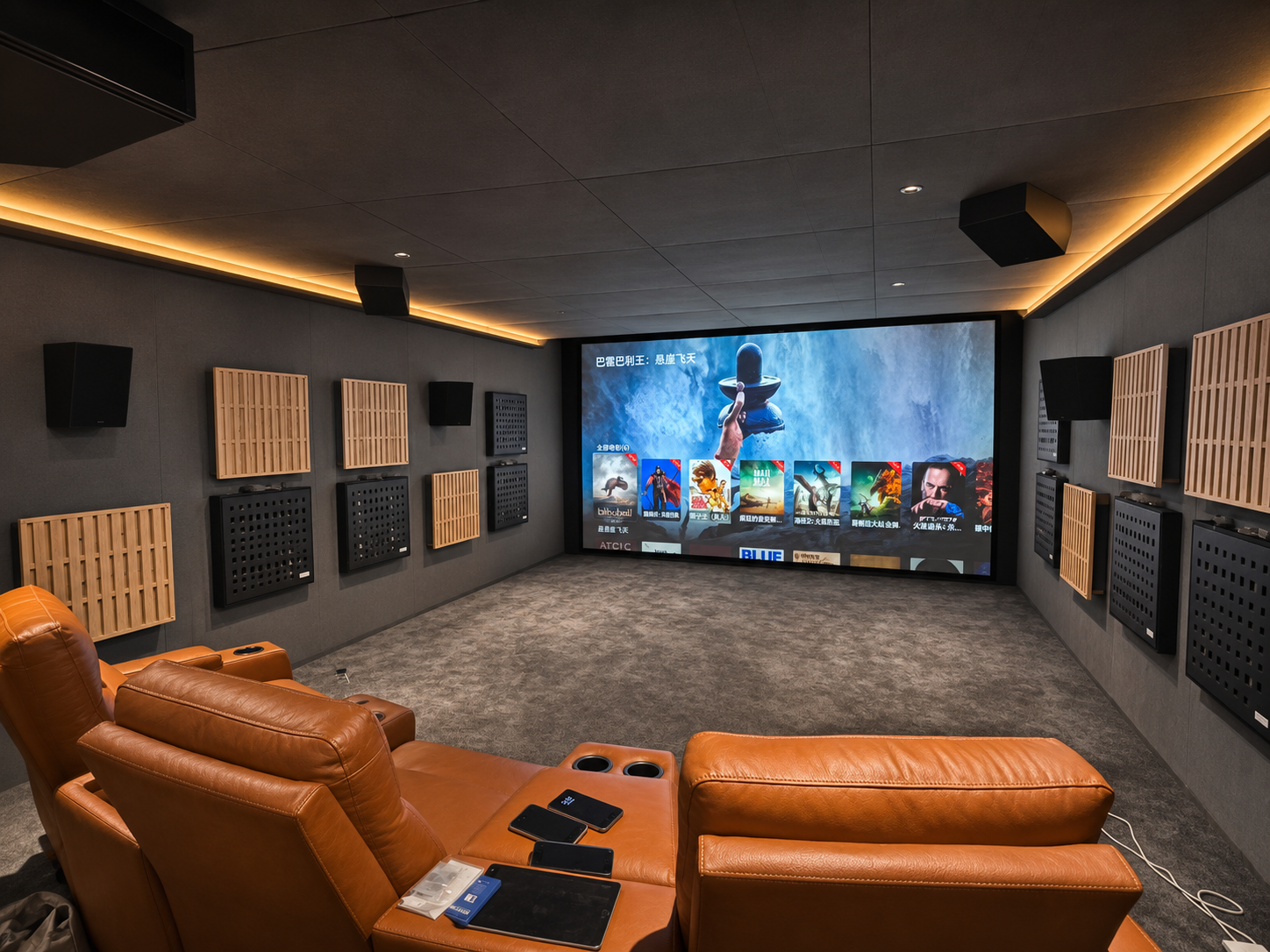
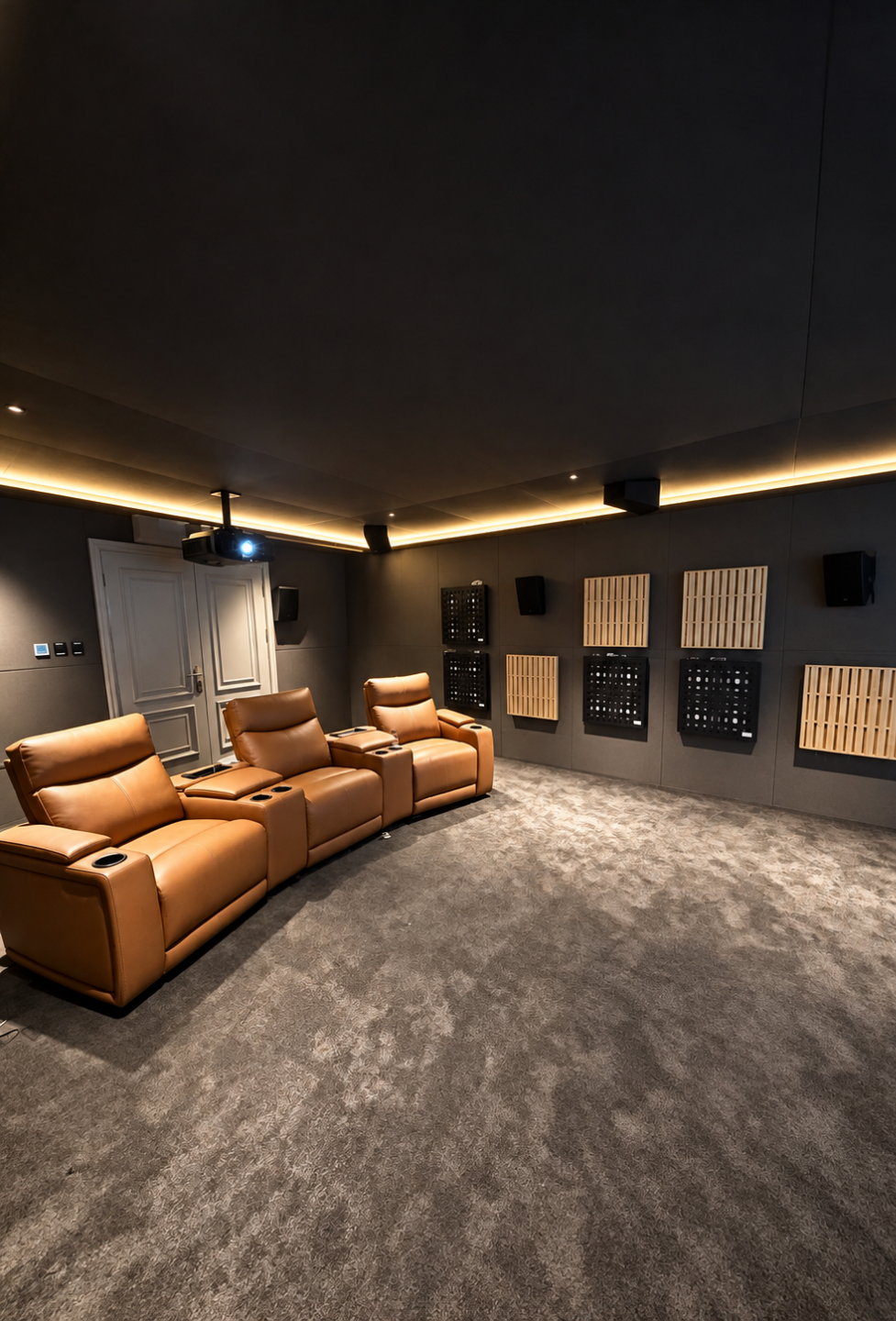
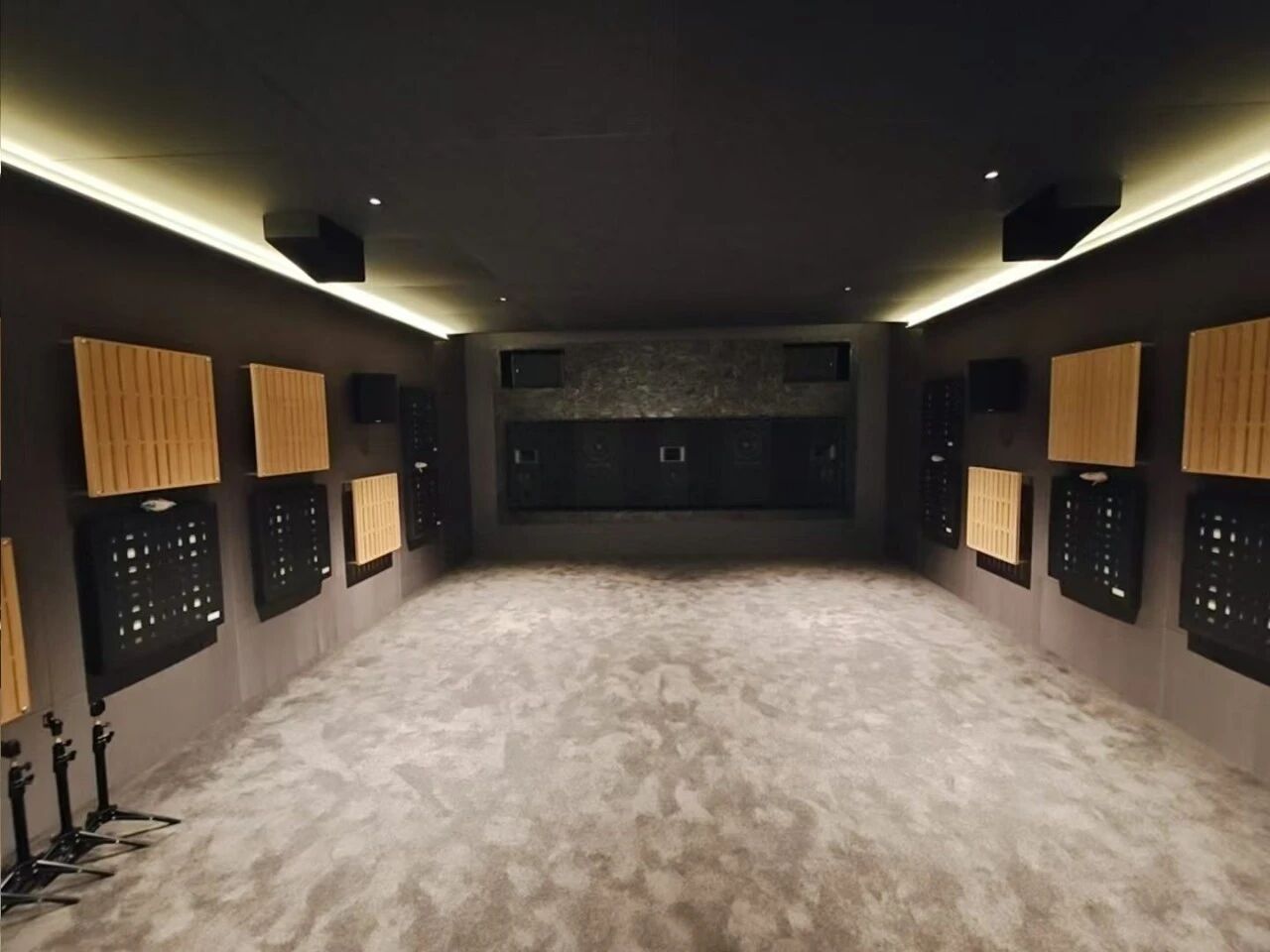
The room was nearly nine metres long, less than five metres wide and only 2.3 metres high. Building out the walls and ceiling with conventional decorative features would have made it feel more confined. We chose to mount the speakers in the open and leave some of the acoustic treatment visible. Simplifying the finishes gave us more space to work with acoustically.
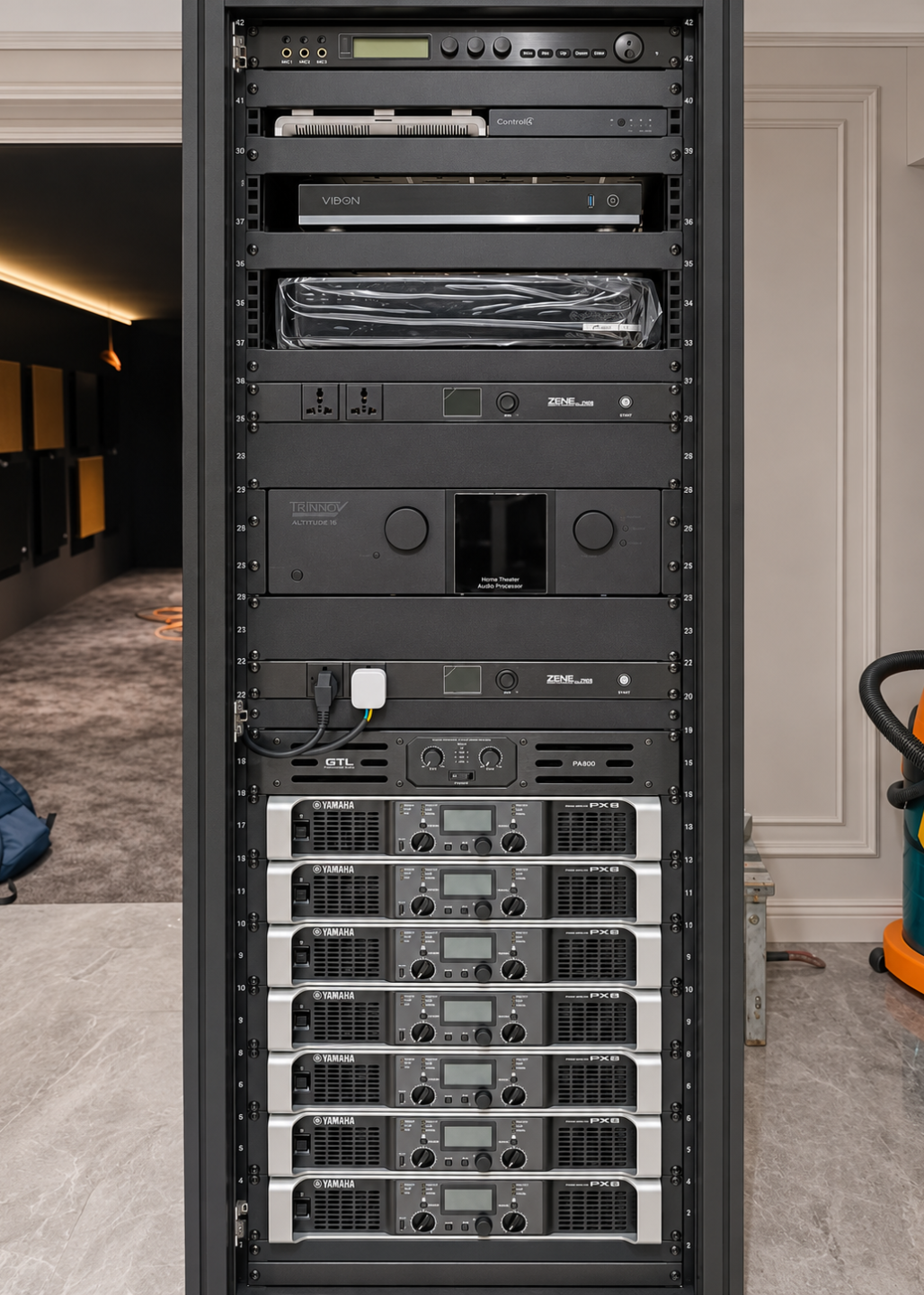
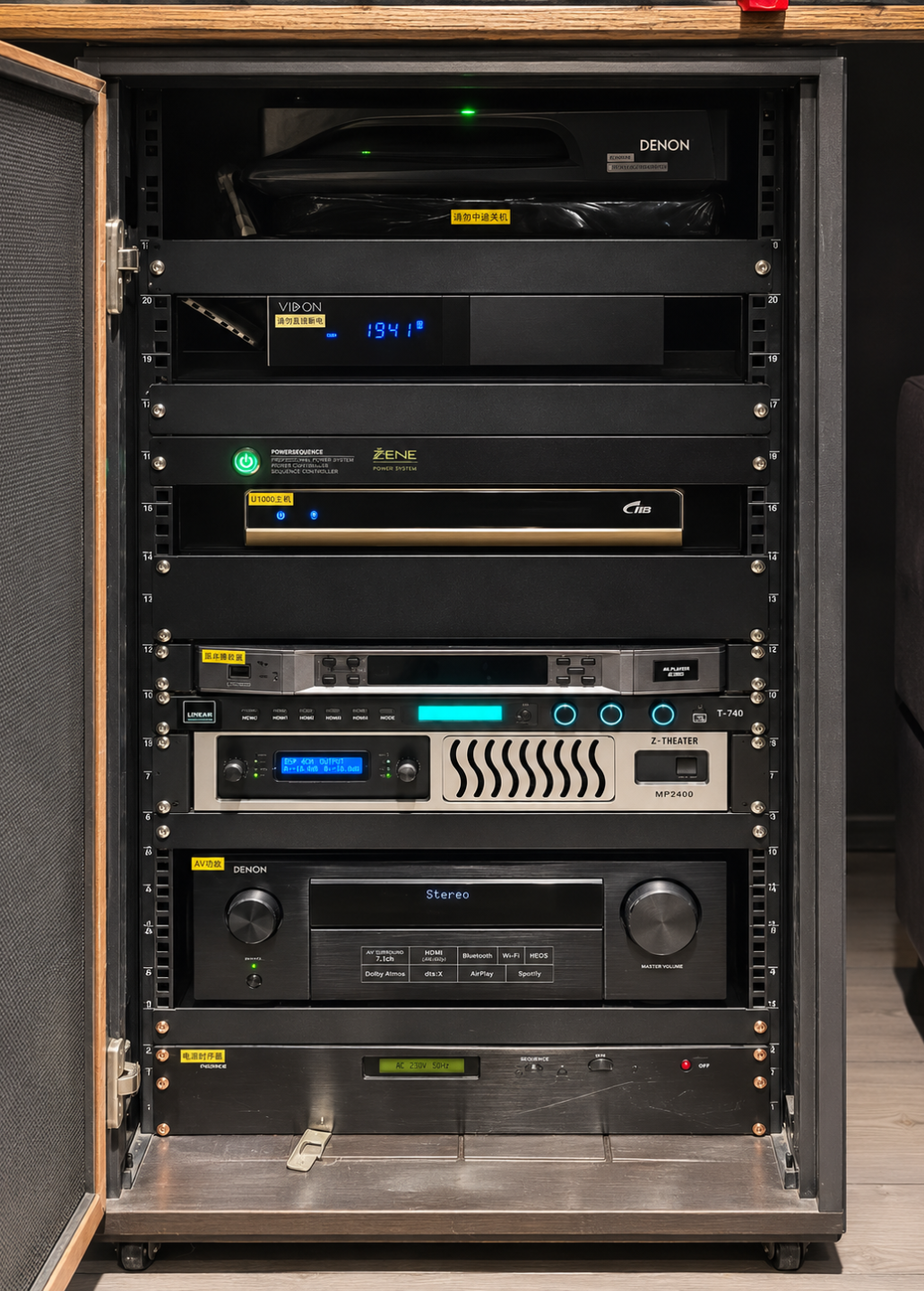
Leaving the equipment visible gave the room a clean, distinctive character.
This approach suits some rooms better than others. Speakers can sit comfortably in view, and a high-end cinema can take shape with a very simple interior. When each design choice serves a clear purpose, the room begins to develop a beauty of its own.
Where to Save and Where to Invest
Budget is a question that comes up often in our conversations with clients. Take a 40-square-metre cinema with a budget of RMB 500,000. For an enthusiast seeking the best possible sound and picture, we usually begin by asking which aspects of the experience matter most, then work out how much to allocate to the interior fit-out and how much to the equipment.
If film sound and picture are the priority, a simpler interior can preserve more of the budget for the system itself. Where those savings go is a separate decision. More expensive equipment is only one option.
Take channel layout. In a 40-square-metre room, budget is only one factor in choosing between 9.2.4 and 11.2.4. We look at how the seats are arranged, whether speakers can be placed where they need to be, how evenly the sound reaches the main listening area, and what acoustic conditions the room itself provides.
Without a well-planned layout, adding equipment may bring little improvement. Excellent sound depends on the room’s acoustics, precise installation and careful calibration as much as on the speakers and amplifiers. Each of those steps matters, and better equipment alone can rarely make up for shortcomings there.
A restrained interior still calls for the same standards of construction. Sound isolation, moisture control, ventilation and professional acoustic treatment all deserve careful attention.
These elements may be less visible than the finishes, but they shape how the room feels in use and how well the AV system can perform. Planning a budget is about deciding where the money will make the greatest difference.
We want owners to know what their spending delivers, whether that is more accurate sound, a better picture, a room with better acoustics, or simply a decorative feature they enjoy. All of these choices can have a place. When the budget is finite, it helps to know where you are least willing to compromise.
The Pleasure That Lasts
We often hear a version of the same question. After investing in a private cinema, how often will I use it once the novelty wears off? Much depends on how naturally the room fits the owner’s interests and everyday life.
For people who love film and music, having a room of their own means watching on their own schedule, free of cinema showtimes or the need to plan an outing. Whenever they have the time and inclination, they can sit down and give a favourite film or performance their full attention. That freedom can be especially precious when work leaves little time to spare.
A few days ago, we heard from the owner of the Harbin cinema. After more than a year of using the room, he is still very happy with the choices he made. His work often keeps him busy until late at night, when he finally has time to watch a film. With a cinema of his own, he can spend those quiet hours on his own schedule.
We were glad to hear it. Elegant finishes and excellent sound and picture can make a newly completed cinema feel special. There is a deeper pleasure in finding, more than a year later, that you still want to go in and still enjoy the sound and the picture.
People sometimes judge whether a private cinema is worth having by how often they use it. For someone who loves film, a long-awaited release, a performance that sweeps them up, or a quiet stretch of time alone after a busy day can mean a great deal. It may be one of the quieter parts of the day, and the one they look forward to most.
A Closing Note
Beautiful interiors have a welcome place in private cinemas. Some people enjoy ornate details. Others prefer cleaner lines or like the industrial character of professional equipment left in view. Each is a matter of taste. In a private cinema conceived around sound and picture, the interior design needs to work with the acoustics and dimensions of the room.
Some decorative features can be left out, and higher equipment specifications are sometimes unnecessary. Sound isolation, acoustic treatment, installation, calibration and the details that shape the experience all deserve time and care. Years of designing and building AV spaces have made us at ZENE more aware of how much good design depends on knowing what to keep and what to leave out.
There is no need to add ornament for the sake of grandeur or specify more equipment just to spend the budget. Start with what you genuinely enjoy, and let thoughtful design bring it into the room. Over time, it becomes clear which choices were worth making.
More than a year on, the owner in Harbin still makes time on busy evenings to walk into his cinema and put on a film he loves. In that moment, the finishes hardly cross his mind. The lights dim, the familiar sound begins, and he is still glad to be sitting there. There is pleasure in the new, and there is a quieter pleasure in having something to return to over the years.







 中文
 EN


